Whatever you decide, do it without the need for validation.
To seek validity is but a farce. It’s like aiming to make a splash in a rain puddle.
A child learns early on whether they care to admit it or not, that their choice is theirs and theirs alone. Nobody really cares more than it takes them to realize, eventually with age, that nobody really cares.
Sure, a mother cares deeply, but only as far as it interrupts her well being.
A father can break his back many times, but only as many times as it serves his cause.
Progression doesn’t come from an audience. Progression comes from within.
Progression comes from love, awareness, and nurture.
And although social media tells a different story from reality, we seek it, crave it, we often need it, but do we really?
Perhaps the greatest lesson we can learn from posting our day to day lives, morality, and hardships is that we are all equally as alone as we are the same—myself included.
Not too long ago, there was a time, it seemed, the world was much larger than we could ever imagine.
Driving cross country felt then like an achievement whereas now—after doing it more than a dozen times—it feels more like a routine I’d rather not admit.
Mostly it’s this that scares me.
Desensitization. It’s this that makes me wonder.
What’s the point?
The point is to treat yourself with the same dignity you would a stranger—a child.
The point is to look beyond life’s blessings, with eyes wide shut, and understand that all will be regardless of whatever validation you seek.
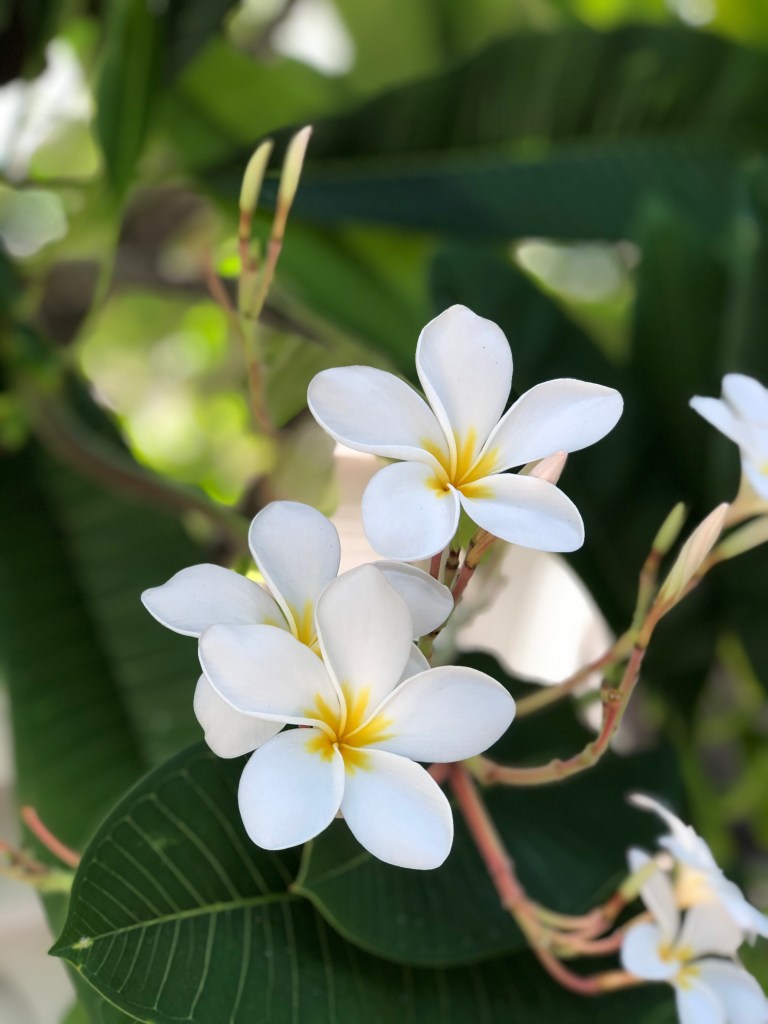
We can learn this by simply looking at a flower bloom. We can understand this by accepting that although, it may seem, the flower dies, another will take its place, as equally and wholly as beautiful as its former.
So whatever you decide, decide knowing, you aren’t as separate as you feel—we are all one.
How many times a day do you feel overwhelmed, frustrated, angry or confused?
After counting all of mine, would you mind if I borrow your fingers and toes?
In Peace Is Every Step, Thich Nhat Hanh suggests a breathing room. He writes, “we have a room for everything—eating, sleeping, watching TV—but we have no room for mindfulness. I recommend that we set up a small room in our homes and call it a “breathing room,” where we can be alone and practice just breathing and smiling, at least in difficult moments.”
If by chance you’re thinking, why didn’t I think of that, then join the club.
He goes on to describe this common space, the “breathing room,” as sort of a fortress of solitude where with respect to the inhabitant, no one else may enter or disturb their chosen silence.
It’s basically for that moment when a conversation turns into a discussion, which turns to a debate—with seemingly no agreeable outcome—which in turn forms into an argument, with no resolve.
So it’s reserved only for that peak moment of, “I need some space,” or “give me a moment to think.”
With so much information cycling in and out of your subconscious, be it social apps, advertisements, marketing, news, or work, where it can feel like our minds get lost in the shuffle, or rather programmed with ideas that aren’t solely our own, this often causes our discussions or thoughts to turn to anger and confusion, which in turn manifests itself in words of anger and confusion.
So instead of falling into a pit of verbal debate which at the start was never our intention to begin with, there in lies the breathing room.
It seems a bit strange at first but if you factor in the amount of screens we allow to jumble our thoughts on a daily basis, it really makes a lot more sense as to why it’s more than necessary in today’s day and age to have a space for mindfulness and calm reflection.
It’s a practice I continue to engage, like a well oiled machine, with proper maintenance and care, we can all find peace and understanding, and better ways to dealing with hard situations.
And I think that by allowing ourselves this space and time, we can find a better means of listening, speaking, and treating one another with the proper respect of another that we also deserve.
Breathe in. Breathe out. And by getting to the center of ourselves, we can then find better understanding of another.






 Words Of An Average White Male