Getting away turned out to be the easy part—it only took 12 years.
Getting here would prove to be a chaotic mess—22 years hence.
Except I never got better, we never got help, and it slowly got worse.
I could draw the parallels between my father and I
but what would that matter—you only know us from one side.
And they say that children being a product of suicide tend to show a lack of interest, almost as if nothing really matters.
Well, to be candid, let’s just say I know a guy who can vouch for that.
I mean, how do you explain being on a train
wishing it would crash, just so life would slow the fuck down?
Just enough so that even the slightest change of scenery made any sort of sense.
Is this room ok? Isn’t this house nice?
How do you explain not wanting attention because it made you so damn nervous that even the easiest task seemed incomprehensible?
Do you want to go outside? Make some friends?
Who do you turn to when you can see through everything and everyone, knowing they’re in just as much shit as you?
So inward you go—wanting nothing but to be alone.
At some point you come to realize that it’s the only place you can control.
The only catch is, that train never crashes. And everything you thought at some point would be figured out, is just another heart racing conversation you swore you’d never have again.
The only parallel I can draw between the two, is chaos.
Whatever you decide, do it without the need for validation.
To seek validity is but a farce. It’s like aiming to make a splash in a rain puddle.
A child learns early on whether they care to admit it or not, that their choice is theirs and theirs alone. Nobody really cares more than it takes them to realize, eventually with age, that nobody really cares.
Sure, a mother cares deeply, but only as far as it interrupts her well being.
A father can break his back many times, but only as many times as it serves his cause.
Progression doesn’t come from an audience. Progression comes from within.
Progression comes from love, awareness, and nurture.
And although social media tells a different story from reality, we seek it, crave it, we often need it, but do we really?
Perhaps the greatest lesson we can learn from posting our day to day lives, morality, and hardships is that we are all equally as alone as we are the same—myself included.
Not too long ago, there was a time, it seemed, the world was much larger than we could ever imagine.
Driving cross country felt then like an achievement whereas now—after doing it more than a dozen times—it feels more like a routine I’d rather not admit.
Mostly it’s this that scares me.
Desensitization. It’s this that makes me wonder.
What’s the point?
The point is to treat yourself with the same dignity you would a stranger—a child.
The point is to look beyond life’s blessings, with eyes wide shut, and understand that all will be regardless of whatever validation you seek.
We can learn this by simply looking at a flower bloom. We can understand this by accepting that although, it may seem, the flower dies, another will take its place, as equally and wholly as beautiful as its former.
So whatever you decide, decide knowing, you aren’t as separate as you feel—we are all one.
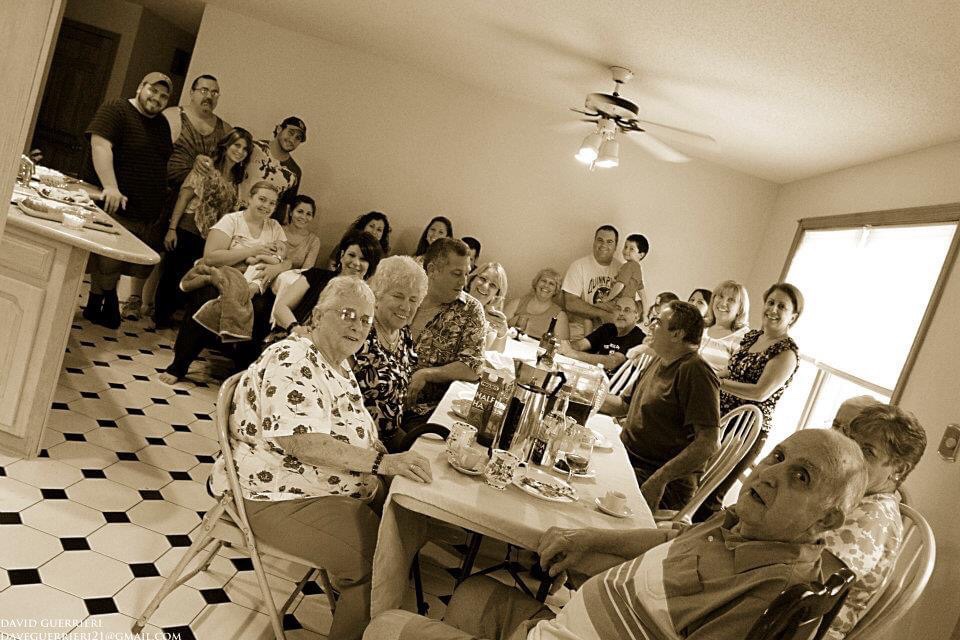
When I was a kid—after bedtime—as quietly as I could, I would crawl from my bed, onto the floor, then elbow and knee my way down the hallway to lay in the doorway of my brothers room to watch his television.
He’s four years older than I am and, well, I thought he was really cool.
One, for having a TV in his bedroom. And two, for probably knowing I was there but not saying anything.
Whatever he was watching didn’t really make a difference but it was comfortable there, on the carpet, with the blue light flashing.
A dark bedroom can be pretty scary to a child, especially during a thunderstorm.
Now that we’re older, we speak when it is necessary, but not all the time.
Probably less than either of us cares to admit.
He’s a busy working husband and parent while I’m pretty much all over the map.
Though when we do talk, it’s a meaningful talk of mutual reflection. He provides me with information from four years down the line and I remind him that I’m listening by offering whatever small insights are on my mind.
I thought he was great then and I still do now. No matter the distance the bond between two brothers is strong and unwavering.
Basically what I am saying is I look forward to the next time we’re able to watch a little TV, crack a couple jokes, and just hang out—without any pressure—even if it means the carpet or floor, that’ll be enough.
If what you see in the mirror is ugly, then consider this: chances are you’re comparing your own unique beauty to what, for your entire life, you’ve been programmed to believe is beautiful.
And what is beauty anyways?
Margaret Wolfe Hungerford said, “beauty is in the eye of the beholder.”
And isn’t that true? Yes or no, in more instances than not beauty is subjective. In fact, I’d go even further to say that beauty manifests itself in infinite ways other than what the eye can see.
As a photographer with a fond admiration for women and men alike I can honestly say that I have taken countless photographs and manipulated them to appeal to the mass collective of what is to be considered quote on quote “beautiful.”
Hypocrite. No, I think not. I never claimed they were beautiful but simply did my job in a way that my superior agreed was aesthetically pleasing.
A wrinkle here, a crows foot there, deleted.
Nobody has ever died from a portrayal of beauty, right?
Wrong. Though I’m not an extremist so there are many factors to consider, all of which yes, I agree, may seem like a bit of a cop out or excuse not to hold oneself accountable for taking what is and transforming it into something less natural.
But this isn’t about my career choice or eye in which I behold.
This is about you and that “ugly” reflection in the mirror.
You are not ugly, you simply aren’t. You are you, and you are beautiful.
Those who claim to seek perfection, well, they’re only trying to fill a void. And it’s a bottomless pit because like beauty, perfection is ultimately subjective.
While I sit here and delve deeper into thought, I watch a mother and daughter walk by my window. The mother is flapping her arms as graceful as she can. The child looks to her mother and understands she is trying her best.
In the end all that we can do is try our best to love ourselves enough to fully accept the unique beauty of another.
Any other judgement is of which we have been programmed to believe.
It’s taken a very long while to believe in myself and I willingly admit that each day is a slow progression to further acceptance of my own unique beauty.
If someone tells you you’re not beautiful, that’s their loss.
And I hope the next mirror that you face looks back in your direction as the child looks with grace and marvels at the perfection of her mother’s love.
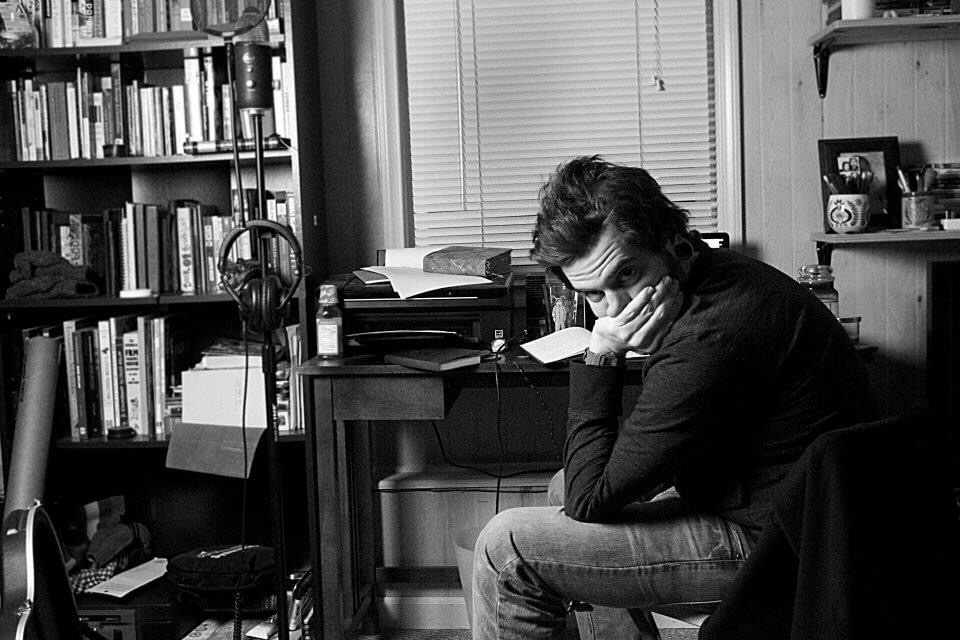
Portrait of my own Unique Beauty, September 8, 2020



 Words Of An Average White Male